Category: Insights

Cargo Net Covers

Luggage net covers

Cargo net covers offer reliable protection and secure fastening for your luggage—ideal for industry, transport, and professional use. Discover high-quality, durable solutions that optimally secure your cargo and make your daily work easier. Find the right cargo net covers now and increase safety!


Grate Bars for Waste-to-Energy (WtE) Plants

Grate bars for waste incineration plants

Grate bars are the heart of every Waste-to-Energy plant. They withstand temperatures up to 1000 °C, corrosion, and abrasion. This guide delves deep into the technology: from water-cooled systems and high-strength alloys to the procurement of spare parts. Learn how these components determine the efficiency and service life of WtE plants.

Railway Windows

Railway Windows

Railway windows are high-tech systems. They protect passengers according to strict standards (DIN EN 14752), enable mobile phone reception on high-speed trains, and reduce energy costs. This guide delves deep into the technology: from laminated safety glass and nano-coatings to precise maintenance schedules and future technologies. A must for engineering and rail professionals.

Glazing for Rail Vehicles

Glazing for Rail Vehicles

Glazing for rail vehicles must withstand extreme requirements: from impact resistance according to EN 12600 to fire protection according to EN 45545. This guide explains the crucial standards, materials like laminated safety glass (VSG) and polycarbonate, as well as innovations such as smart glass and lightweight solutions. A must for engineers and procurement managers in the rail sector.

Aluminum Permanent Mold Casting

Aluminum Permanent Mold Casting

Precision in Series Production: Aluminum permanent mold casting is the key process for high-strength, dimensionally accurate components in transportation technology & industry. Learn everything about the process, the technical advantages over sand & die casting, and the strict quality standards. A guide for engineers and procurement managers on the production of complex aluminum cast parts.

Hot-Pressed GRP

GRP hot-pressed

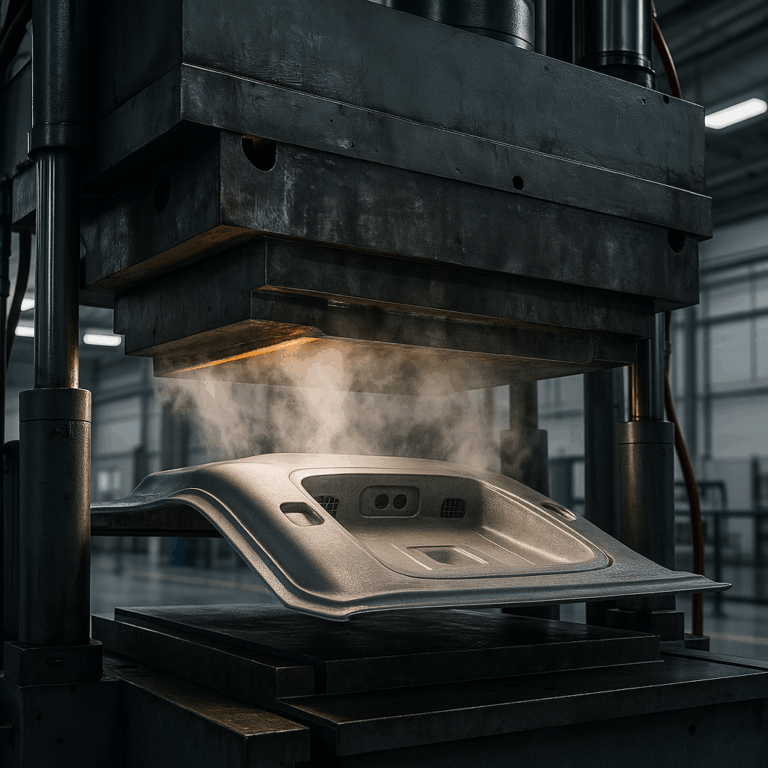
The hot-pressing process for GRP is the solution for lightweight & robust components. Learn how SMC/BMC materials are transformed into high-quality components for transportation & environmental technology. This guide explains the process, its key advantages, and the quality assurance methods. Discover the technology for demanding technical applications and the procurement of hot-pressed GRP.

Hand Lay-up GRP

Hand laminate GRP Trade World One

The hand lay-up process for GRP is the classic method for manufacturing custom fiber composite components. Ideal for prototypes, small series, and complex shapes. This article explains the process step-by-step, the materials involved, and the diverse applications, from vehicle body panels to yacht construction. Discover the advantages and disadvantages compared to modern processes.

GRP

GRP parts Trade World One

Glass-Reinforced Plastic (GRP) is the all-rounder for demanding infrastructure. Whether as corrosion-resistant pipes in environmental technology or as insulating gratings in railway construction—GRP impresses with its light weight and durability. This article highlights the material properties, manufacturing processes, and diverse application fields of this high-performance material.

CFRP

CFRP (carbon fiber): The high-performance material for industry and mobility

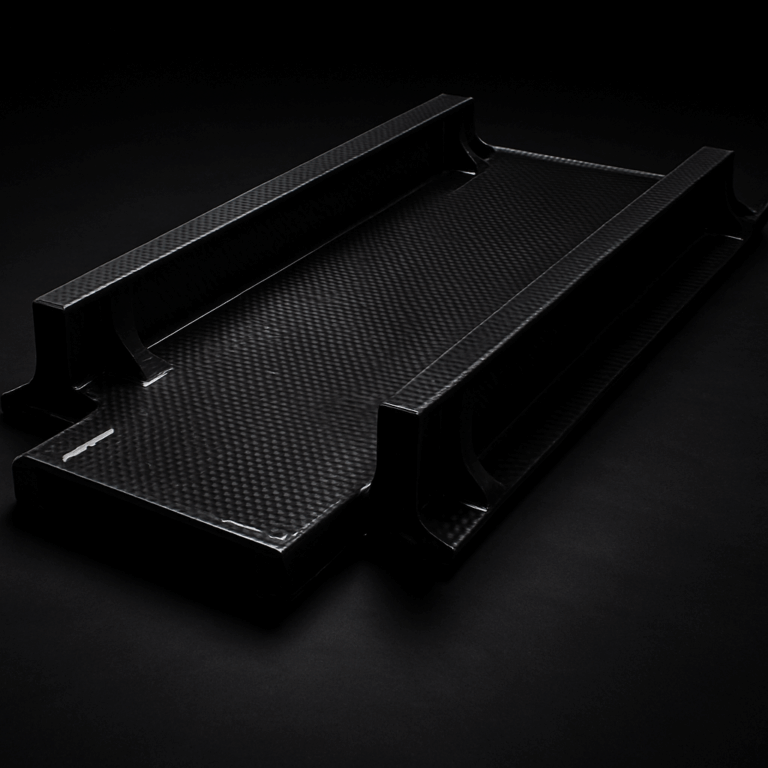
Carbon Fiber Reinforced Plastic (CFRP) is the material of the future. Lighter than aluminum and stronger than steel, it is revolutionizing the aerospace, automotive, and industrial sectors. This article highlights the technology, its impressive applications, the major challenges in cost & recycling, and the strategies for securing the procurement of this high-performance material.

GRP FMVSS 302

GRP FMVSS 302

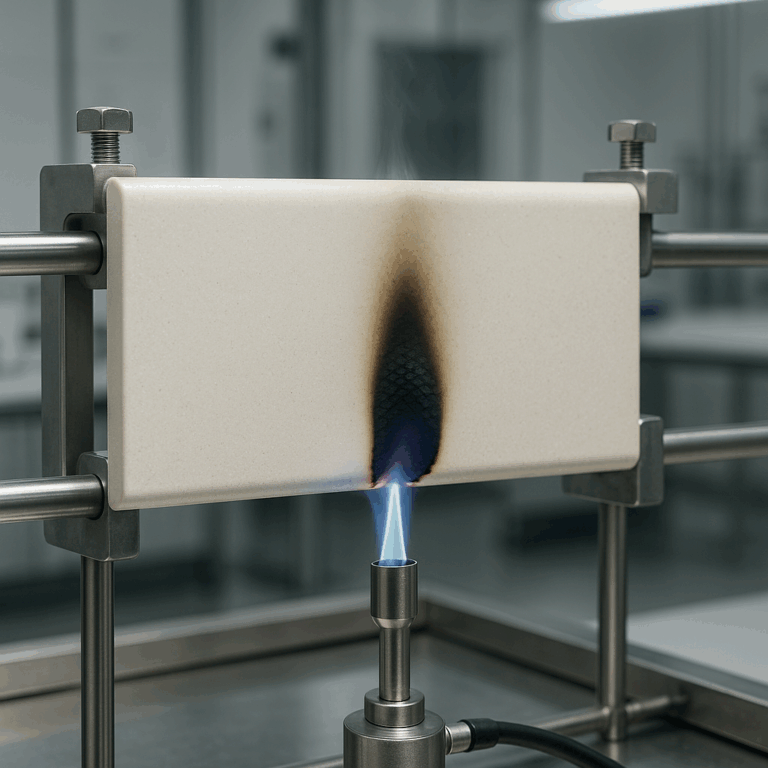
GRP is an ideal material for vehicle construction—lightweight, strong, and formable. But what about fire safety? The U.S. standard FMVSS 302 sets strict limits here. This article explains how GRP meets these requirements through special flame-retardant additives, which test procedures apply, and why a technical procurement partner is crucial for providing safe, certified components.

en_USEnglish