Insights

Quality Assurance in Public Transport

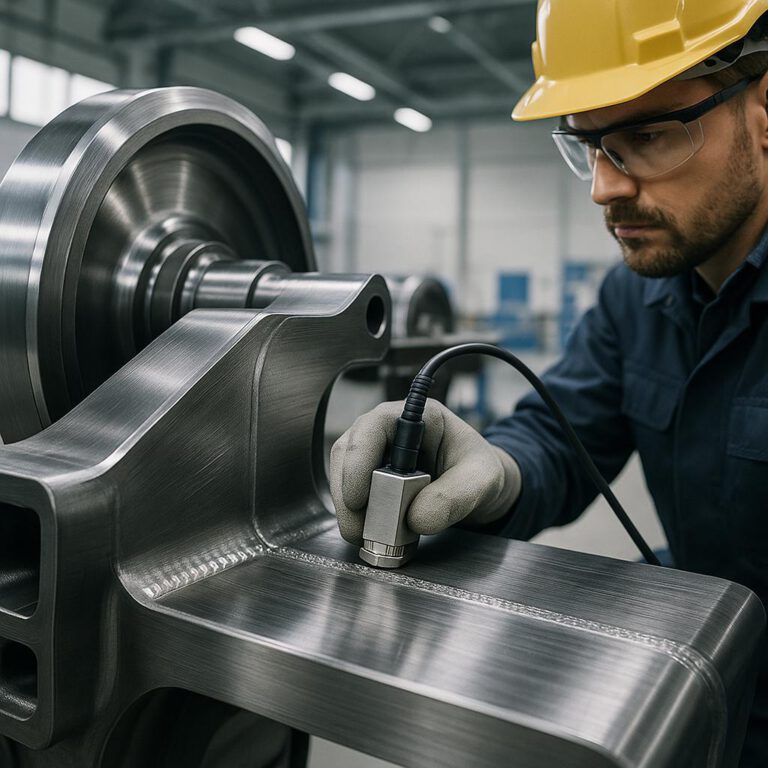
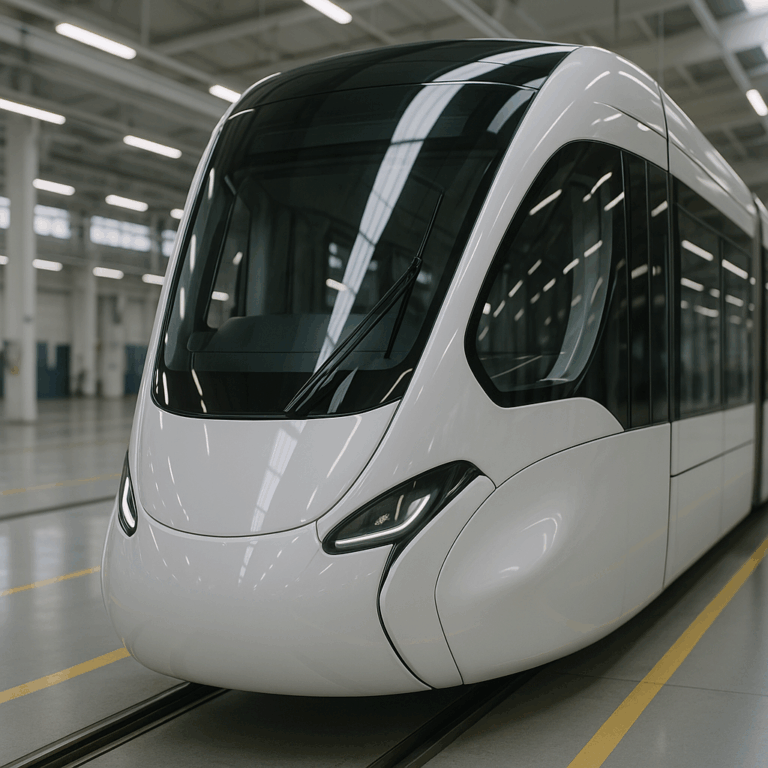
The fact that trams and metros operate safely is no accident, but the result of invisible, highly complex quality assurance. From the First Article Inspection (FAI) of critical components to the management of obsolete spare parts: a look behind the scenes of mobility safety, where experts guarantee the reliability of public transport with the strictest inspections and standards.

Reverse Engineering - Trade World One

Reverse Engineering in Transportation Technology

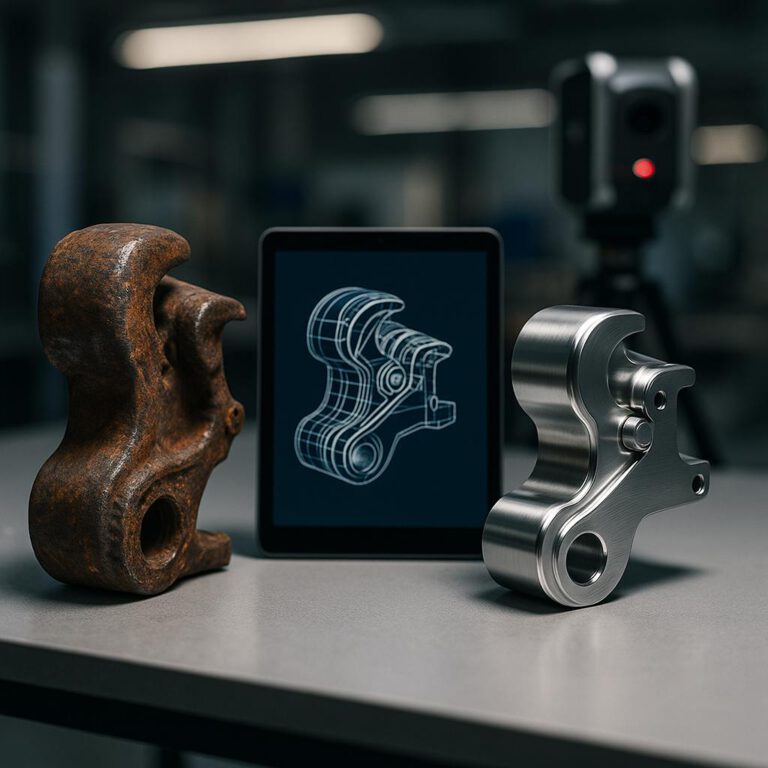
No original parts left for your fleet? When obsolescence threatens operations, reverse engineering is the strategic solution. Discover how worn-out components are transformed into approved and operationally reliable spare parts for transportation technology—ensuring your fleet keeps running reliably.

Straßenbahn Helden

Mobility in Public Transport: A Team Effort

The mobility transition is on the right track—and it's won in the engine room. The best app remains theoretical if a train is stuck in the depot in the morning due to an aging door drive, an overdue wheelset, or an obsolete control module. For trams and metros, punctuality is decided at the interfaces between the workshop, dispatch, procurement, and specialized partners: from the spare part and its documentation to final approval. Here, "Mobility as a Team Effort" means thinking at the component level first, to keep operations running on schedule—regardless of whether the fleet is 5, 25, or 40 years old.

Spare Parts for Trams

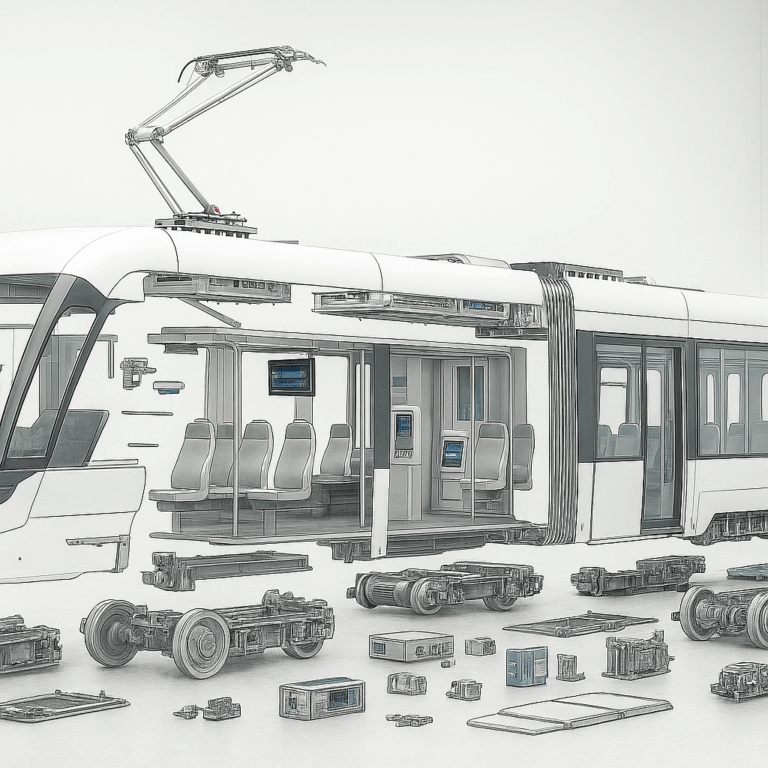
Durable tram fleets face the challenge of short-lived supply chains and obsolete electronics. The availability of critical spare parts is therefore a core strategic mission for public transport operators. Proactive obsolescence management, technical reverse engineering, and agile procurement logistics secure operational readiness and the urban mobility of tomorrow.

Fensterwischer für Schienenfahrzeuge - Trade World One

Windshield Wipers for Rail Vehicles

200 km/h, pressure wave impacts, and a 30-year service life: A train's windshield wiper is not an off-the-shelf product but safety-critical mechatronics. Learn everything about the technical details, procurement challenges due to obsolescence, and the vital lifecycle management for your fleet.
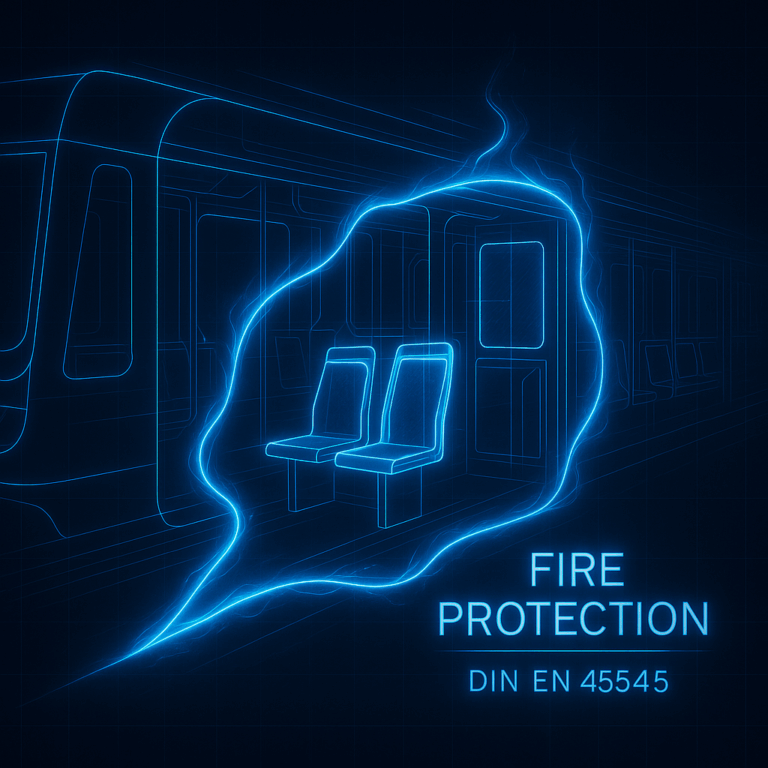
DIN EN 45545

DIN EN 45545

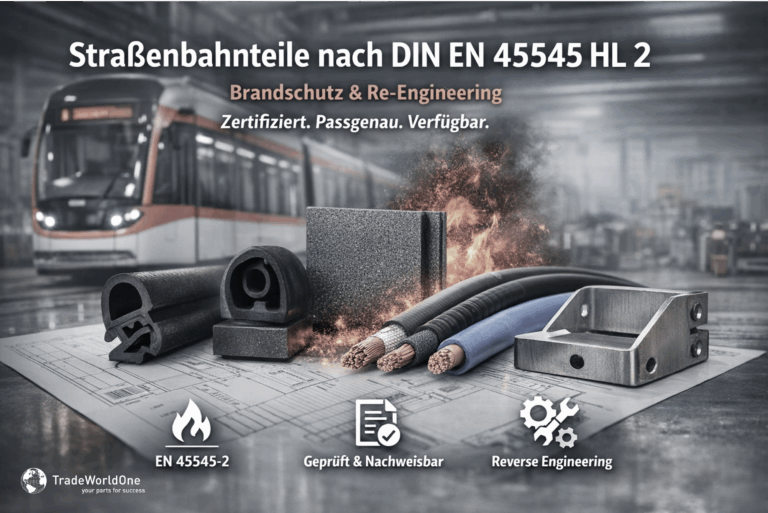
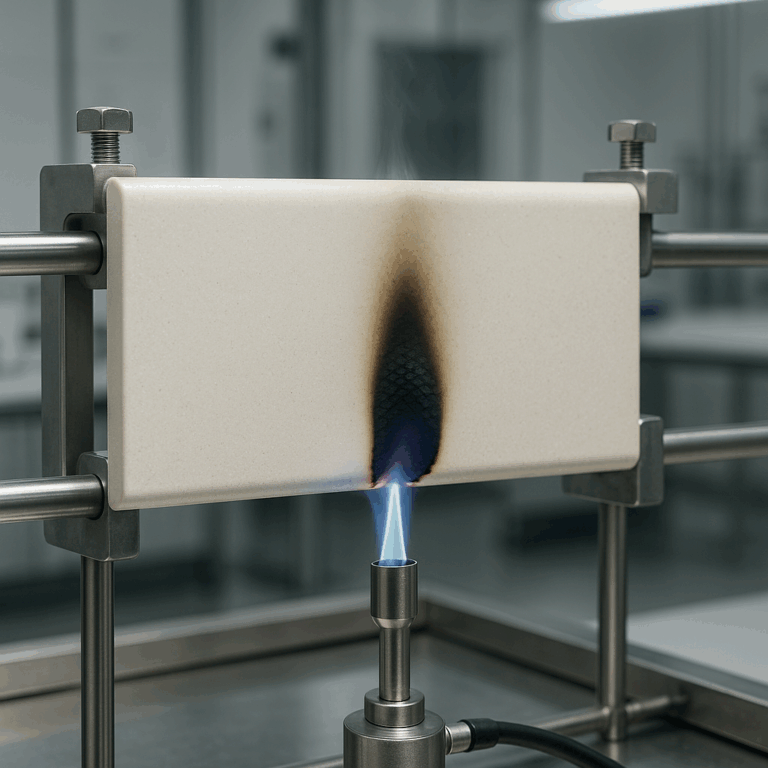
The fire protection standard EN 45545 often creates uncertainty in procurement and maintenance. Our article makes the complex requirements understandable in a practical way, explains key concepts like Hazard Level and R-Sets, and shows how to strategically use the standard to achieve maximum operational reliability and compliance in rail vehicle engineering.

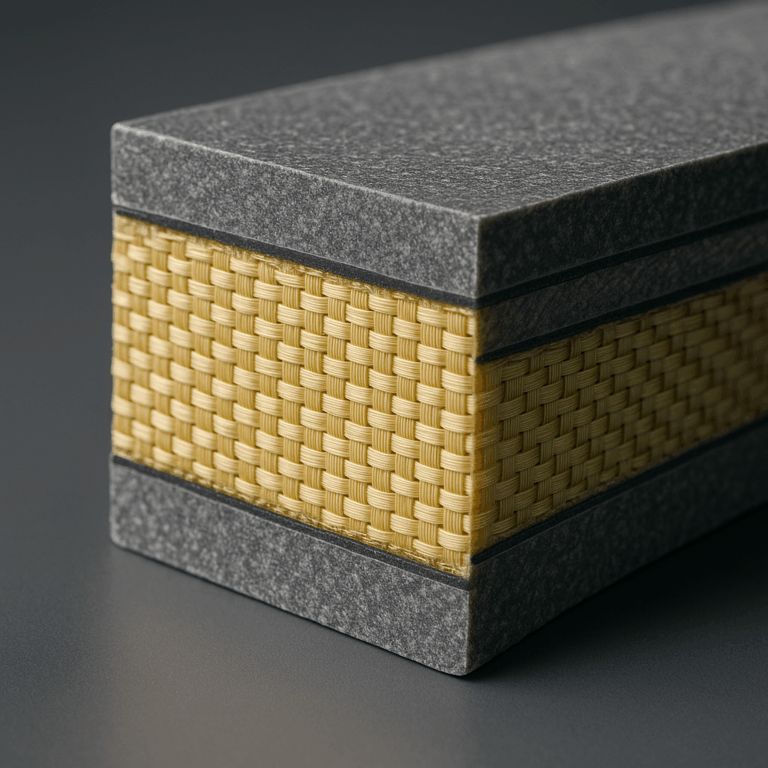
AFK (Aramid): High-performance material for demanding applications

AFK (Aramid)

Lightweight, extremely strong and often invisible: aramid fiber-reinforced plastics are the silent performers in transport and the environment. Find out in the practical guide where AFK (aramid) is indispensable, how it outperforms steel and what is important in procurement for maximum efficiency and safety.

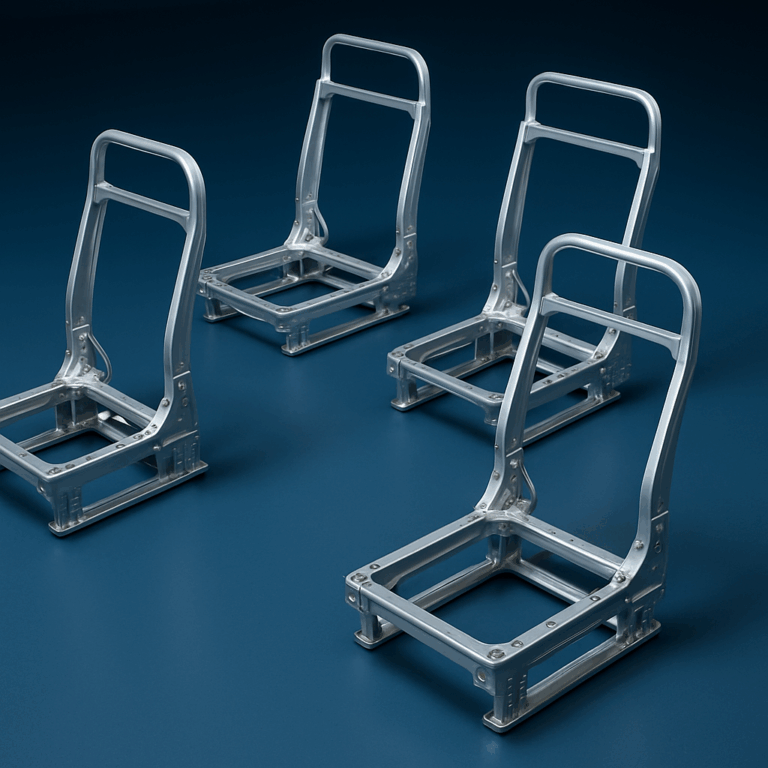
Seating frames - Trade World One

Seat frames

More than just a carrier: the seat frame is a strategic component that determines the safety, longevity and operating costs of your fleet. Discover the crucial details from material selection to production and how you can ensure availability even with outdated parts - for maximum operational safety and cost-effectiveness over the entire life cycle.

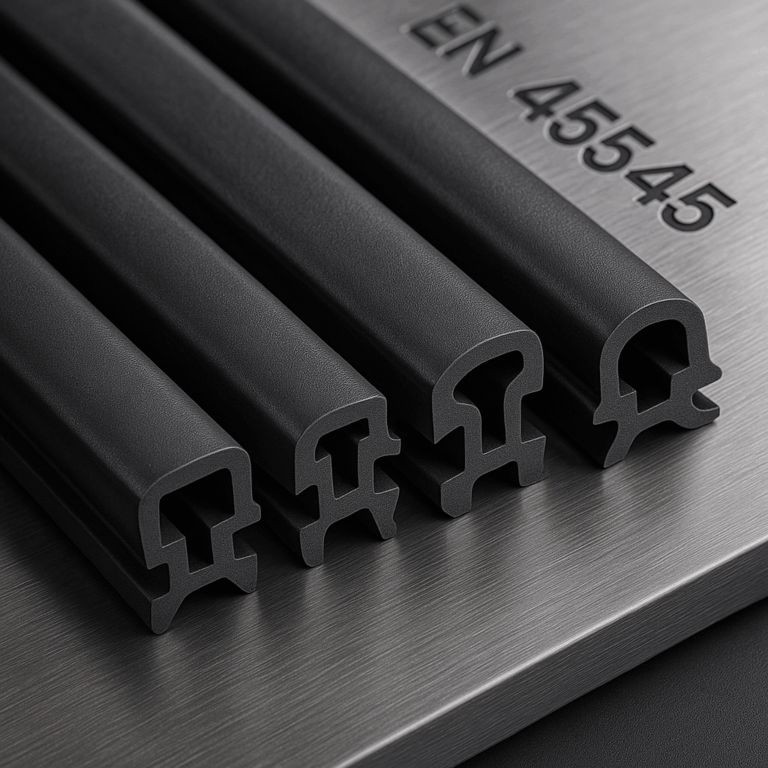
Rubber profiles Fire protection standard EN 45545

Rubber profiles

Safety, durability, approval: choosing the right rubber profile is crucial. This practical guide highlights all the essentials - from material selection to the critical fire protection standard EN 45545. Your compact knowledge advantage for the reliable specification and procurement of sealing profiles.

Molded rubber articles

Molded rubber articles

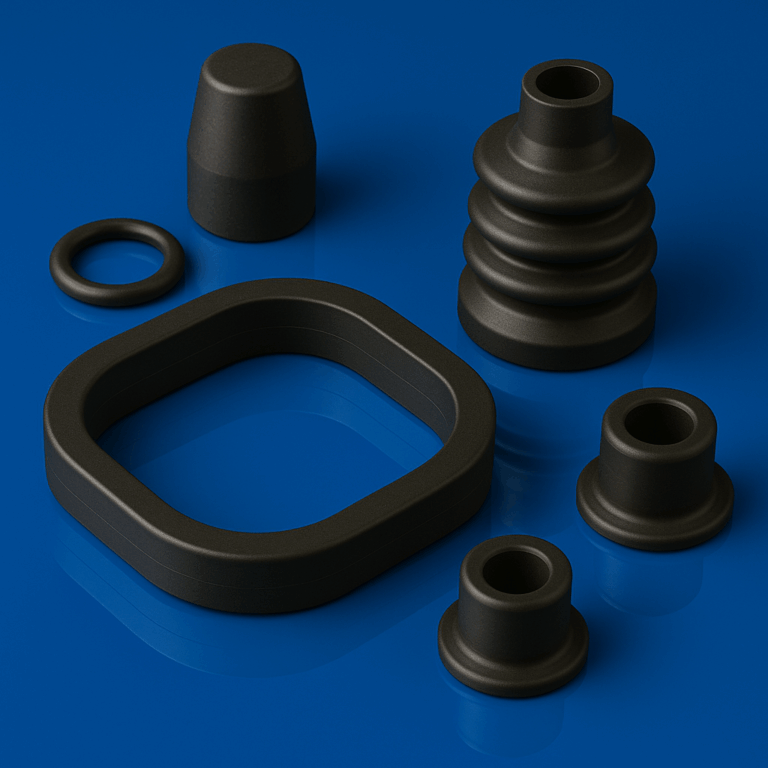
Molded rubber parts are crucial for operational safety. Which elastomer is the right one? What to do with obsolete components? Our guide provides answers - from material selection and manufacturing processes to reverse engineering for maximum system availability.

Extruded profiles

Extruded profiles

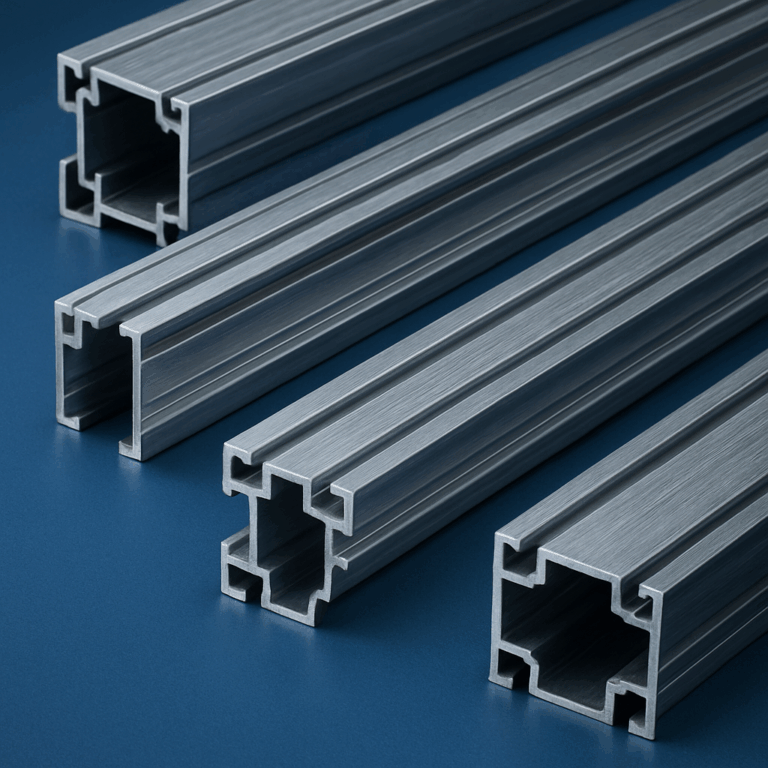
From design and the right alloy to solutions for obsolescence and supply bottlenecks for special profiles. Our expert guide to extrusions shows engineers and procurers how intelligent design and proactive management can lead to success. Find out how Trade World One ensures availability where others reach their limits.

Corner Vulcanization

The corner of a seal is its greatest weak point. Glued joints are a risk to operational reliability. Corner vulcanization creates an unbreakable, cohesive unit – the gold standard for maximum durability and perfectly sealed profile frames in demanding transportation and environmental technology. A must for engineers and maintenance managers.

Glass fiber GRP

Glass fiber GRP

Lightweight, durable and corrosion-free materials are crucial in transportation and environmental technology. Glass fiber reinforced plastic (GRP) outperforms steel and aluminum in this respect. Find out everything about the advantages, production & areas of application of glass fiber (GRP) and how you can use the material strategically for your projects in this technical article.

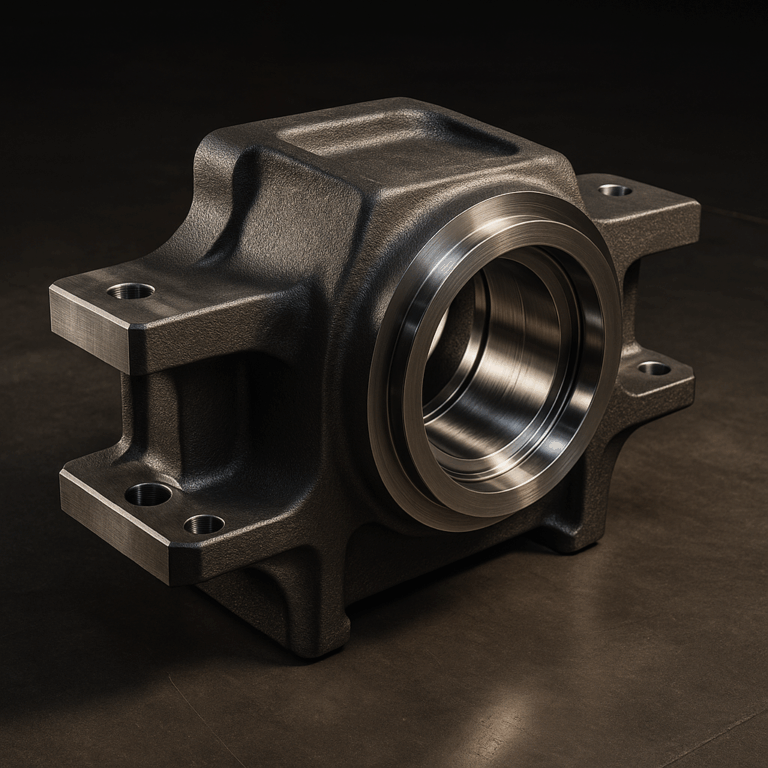
Die casting incinerator

Die casting

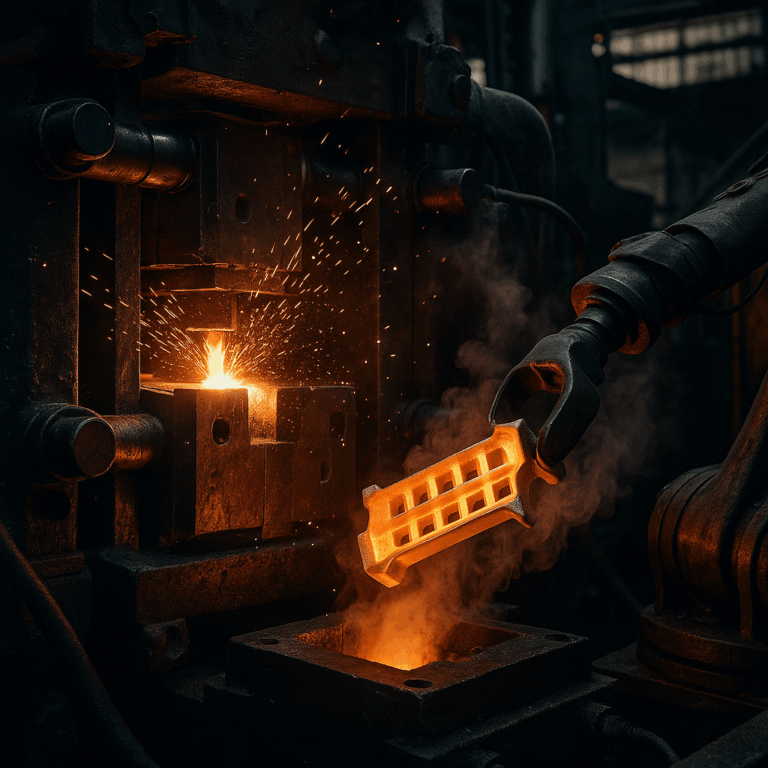
Die casting is crucial for precision and efficiency. But how do you master the complexity of tools, materials and procurement? Our technical article provides in-depth expert knowledge for engineers and purchasers - from the process chain to the reworking of obsolete parts. Secure your knowledge advantage with tried-and-tested insights from Trade World One.

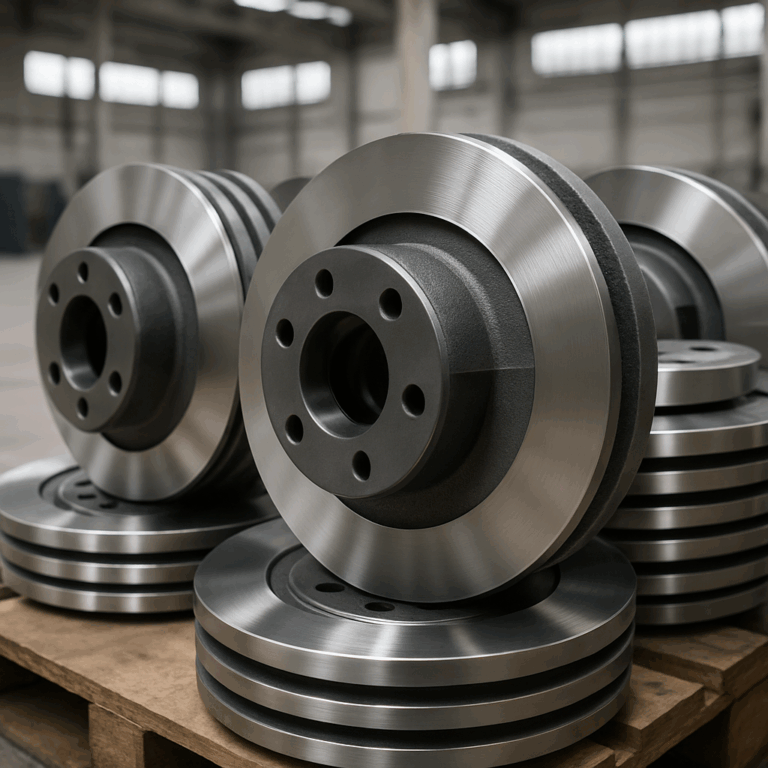
Gray cast iron

Gray cast iron

Gray cast iron (EN-GJL) is far more than just "old iron". With its unsurpassed damping, castability and cost-effectiveness, it is the key material for mechanical engineering and transportation technology. This guide covers everything from properties and standards to the clever procurement of spare parts.

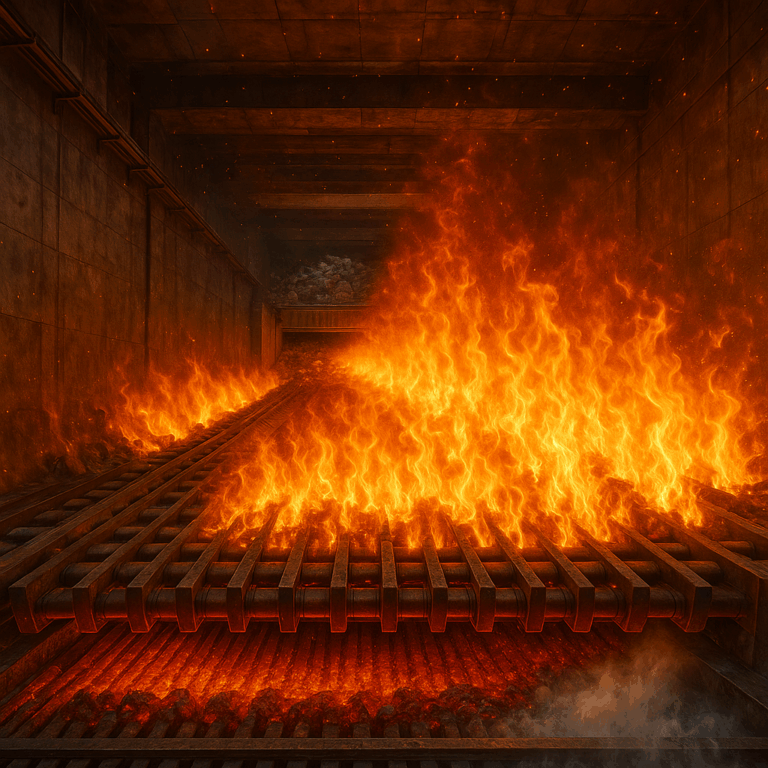
Feed grates

Feed grates

The feed grate is the heart of every thermal recycling plant. Its reliability makes the difference between profit and downtime. Learn all about the technology of grate firing, the challenges of procuring grate bars and how you can maximize the availability of your power plant with intelligent wear management.

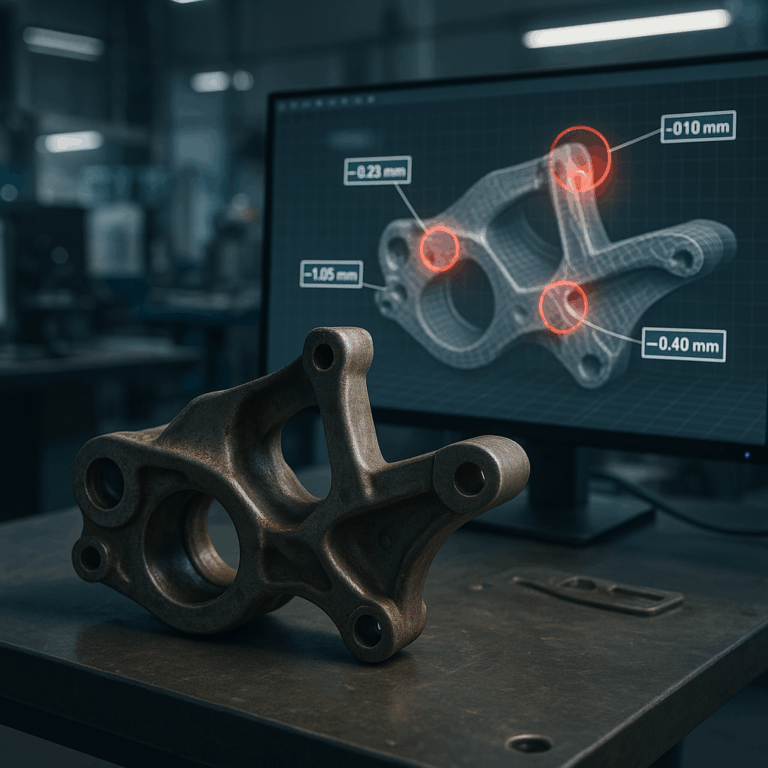
Reverse engineering

Reverse engineering

Plant shutdown, spare part unavailable, manufacturer insolvent? Reverse engineering is the strategic solution for obsolescence management. Discover the precise process of how a physical component without drawings is transformed into an optimized digital twin—for greater supply security and efficiency.

Plastic Injection Molded Parts

Plastic Injection Molded Parts

Plastic injection molded parts are high-tech components that ensure precision, safety, and durability in transportation and environmental technology. From material selection to modern quality assurance and strategic procurement, they guarantee the performance and reliability of entire systems—from the granulate to on-time delivery.

Stainless Steel Investment Castings

Stainless Steel Investment Castings

For the most demanding applications in transportation and environmental technology, stainless steel investment castings offer complex geometries with exceptional strength and durability. The investment casting process combines precision, longevity, and cost-effectiveness, making it a superior solution for critical components. It allows for maximum design freedom and is ideal for applications requiring the highest reliability.

Spheroidal graphite cast iron

Ductile Iron (GJS)

Discover Ductile Iron (GJS): The high-performance material that combines steel-like strength with excellent castability. Its unique microstructure makes it the first choice for safety-critical components in transportation technology and mechanical engineering. Learn everything about the properties, manufacturing, and applications of this versatile material.

Grate Firing

Grate Firing

Grate firing is a key technology in industrial and energy engineering. From Waste-to-Energy plants to biomass utilization, this guide explains operating principles, plant types such as reciprocating and travelling grates, highlights critical components, and presents solutions for typical procurement and maintenance challenges.

Side skirts for rail vehicles

Side Skirts for Rail Vehicles

Side skirts for rail vehicles are high-tech components. They protect the running gear and sensitive underfloor equipment, improve aerodynamics, and reduce noise. Whether made from lightweight GRP sandwich construction or robust aluminum, the choice of material is crucial. This guide explains everything: from innovative sensor technology for Structural Health Monitoring (SHM) to safety aspects and the future of intelligent, multifunctional system components in rail transport.

Glass for Metros

Glass for Metros

Glass for metros is more than just transparency. It is a high-tech component that guarantees safety in stations and ensures comfort in trains. This guide showcases impressive architectural projects, explains safety standards like EN 12600, and introduces intelligent smart glass technologies. The complete guide for planners, architects, and operators.

Front windshield for streetcars

Windshields for Trams

A windshield for trams is a high-tech safety component. It must comply with standards like DIN EN 15152, guarantee perfect visibility, and withstand extreme loads. This guide explains everything: from its laminated glass construction and heatable surfaces to the procurement of spare parts for historic trams. The complete guide for professionals.

Glass for streetcars

Glass for Trams

Glass for trams is a high-tech component. It must not only comply with standards like EN 12150 but also withstand vandalism and the rigors of daily urban life. This guide explains everything: from impact-resistant laminated glass and heated windshields to the procurement of spare parts for historic trams. The complete guide for professionals.

GRP bow apron

GRP Front Apron

A GRP front apron is more than just a fairing. It is a lightweight solution that saves fuel and increases safety on trucks, buses, and rail vehicles. This guide explains everything: from materials and manufacturing (RTM) to aerodynamic advantages and the procurement of spare parts. The complete knowledge for professionals.

Luggage net covers

Cargo Net Covers

Cargo net covers offer reliable protection and secure fastening for your luggage—ideal for industry, transport, and professional use. Discover high-quality, durable solutions that optimally secure your cargo and make your daily work easier. Find the right cargo net covers now and increase safety!

Grate bars for waste incineration plants

Grate Bars for Waste-to-Energy (WtE) Plants

Grate bars are the heart of every Waste-to-Energy plant. They withstand temperatures up to 1000 °C, corrosion, and abrasion. This guide delves deep into the technology: from water-cooled systems and high-strength alloys to the procurement of spare parts. Learn how these components determine the efficiency and service life of WtE plants.

Railway Windows

Railway Windows

Railway windows are high-tech systems. They protect passengers according to strict standards (DIN EN 14752), enable mobile phone reception on high-speed trains, and reduce energy costs. This guide delves deep into the technology: from laminated safety glass and nano-coatings to precise maintenance schedules and future technologies. A must for engineering and rail professionals.

Glazing for Rail Vehicles

Glazing for Rail Vehicles

Glazing for rail vehicles must withstand extreme requirements: from impact resistance according to EN 12600 to fire protection according to EN 45545. This guide explains the crucial standards, materials like laminated safety glass (VSG) and polycarbonate, as well as innovations such as smart glass and lightweight solutions. A must for engineers and procurement managers in the rail sector.

Aluminum Permanent Mold Casting

Aluminum Permanent Mold Casting

Precision in Series Production: Aluminum permanent mold casting is the key process for high-strength, dimensionally accurate components in transportation technology & industry. Learn everything about the process, the technical advantages over sand & die casting, and the strict quality standards. A guide for engineers and procurement managers on the production of complex aluminum cast parts.

GRP hot-pressed

Hot-Pressed GRP

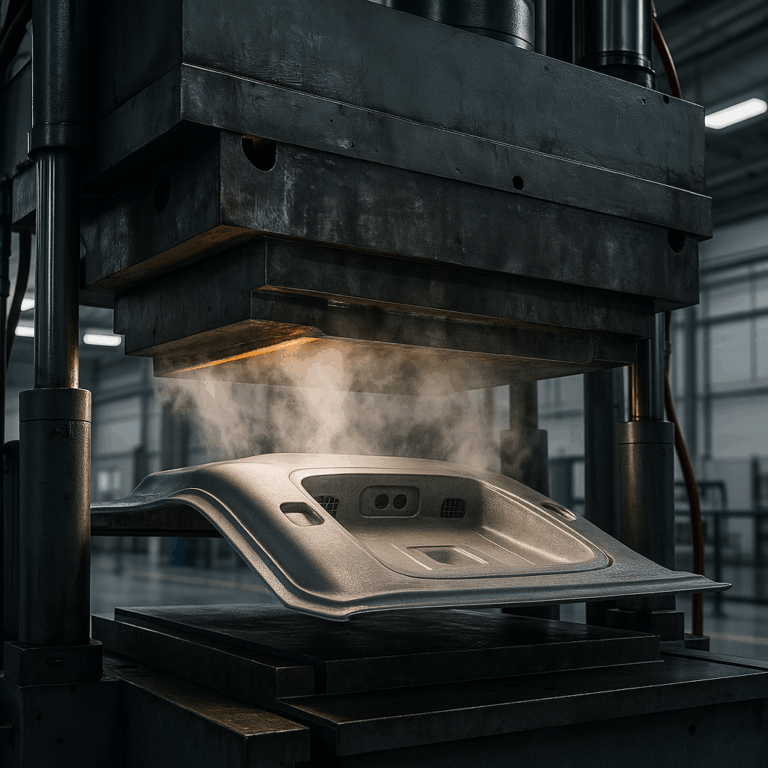
The hot-pressing process for GRP is the solution for lightweight & robust components. Learn how SMC/BMC materials are transformed into high-quality components for transportation & environmental technology. This guide explains the process, its key advantages, and the quality assurance methods. Discover the technology for demanding technical applications and the procurement of hot-pressed GRP.

Hand laminate GRP Trade World One

Hand Lay-up GRP

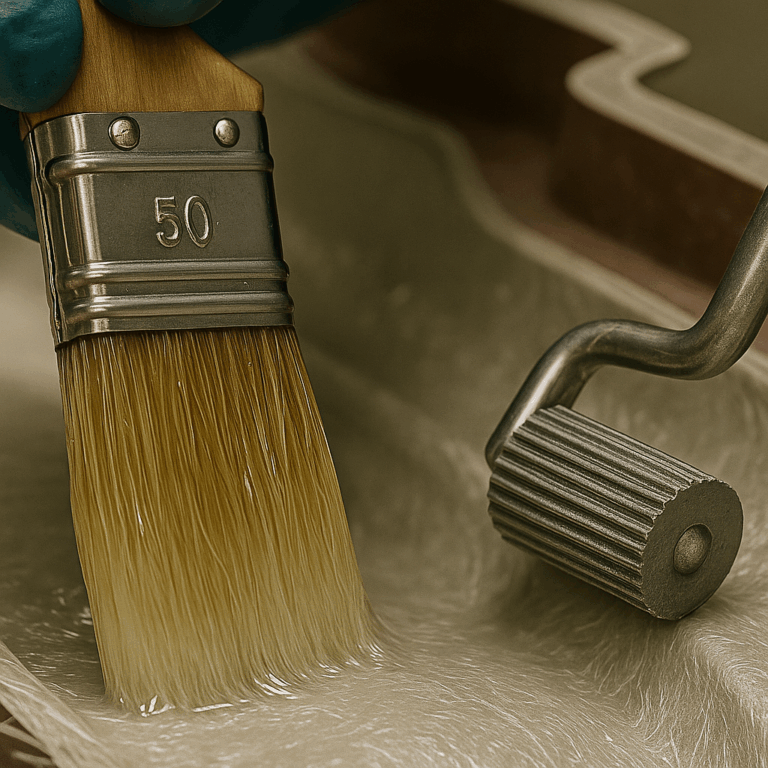
The hand lay-up process for GRP is the classic method for manufacturing custom fiber composite components. Ideal for prototypes, small series, and complex shapes. This article explains the process step-by-step, the materials involved, and the diverse applications, from vehicle body panels to yacht construction. Discover the advantages and disadvantages compared to modern processes.

GRP parts Trade World One

GRP

Glass-Reinforced Plastic (GRP) is the all-rounder for demanding infrastructure. Whether as corrosion-resistant pipes in environmental technology or as insulating gratings in railway construction—GRP impresses with its light weight and durability. This article highlights the material properties, manufacturing processes, and diverse application fields of this high-performance material.

CFRP (carbon fiber): The high-performance material for industry and mobility

CFRP

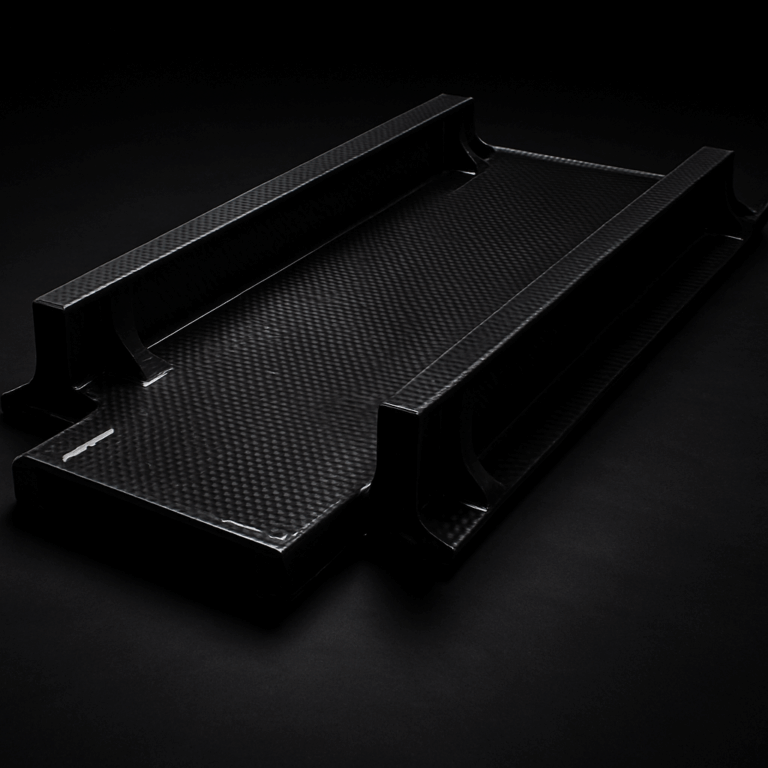
Carbon Fiber Reinforced Plastic (CFRP) is the material of the future. Lighter than aluminum and stronger than steel, it is revolutionizing the aerospace, automotive, and industrial sectors. This article highlights the technology, its impressive applications, the major challenges in cost & recycling, and the strategies for securing the procurement of this high-performance material.

GRP FMVSS 302

GRP FMVSS 302

GRP is an ideal material for vehicle construction—lightweight, strong, and formable. But what about fire safety? The U.S. standard FMVSS 302 sets strict limits here. This article explains how GRP meets these requirements through special flame-retardant additives, which test procedures apply, and why a technical procurement partner is crucial for providing safe, certified components.

en_USEnglish